
Indian spirituality and cultural life for centuries have been widely crafted with rituals of blowing the shankh, the conch shell. From its echoing sound at dawn, or worshipped as a sacred object shankh, to a decorative piece, has deeper meanings and symbolises. But not all types of shankh are the same.
Typically, there are major classifications as the Dakshinavarti shankh and Vamavarti shankh — sharing their own symbolism and benefits. Let’s explore the wonderful difference that makes your decision to buy shankh online easy. This will help you understand their specific features, significance and uses.
Understanding the Shankh
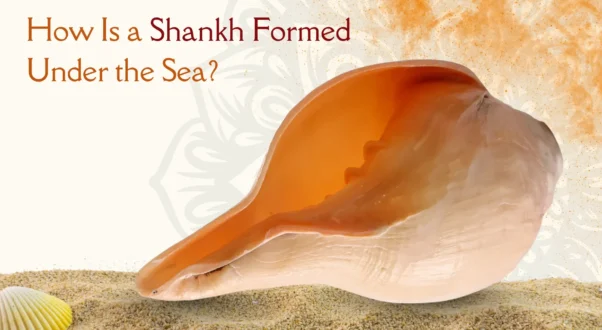
A shankh is a spiral-shaped shell that is formed by a sea snail and found in the seas. Talking about its Hindi tradition significance, it symbolises purity, creation and cosmic sound; “Om”. The shankh blowing is done in rituals — sacred aarti, puja. It is believed to remove negative vibrations and invite divine energy into the surroundings.
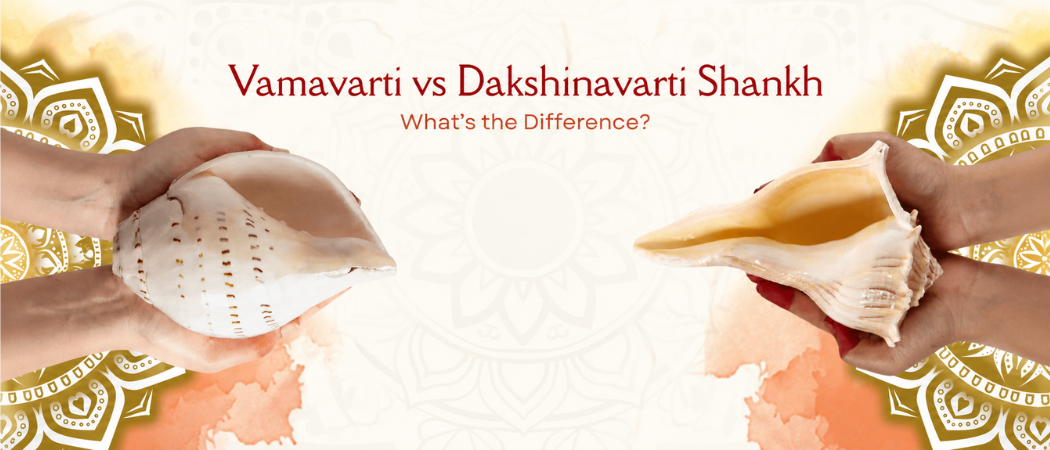
There are types of shankhs, as classified mainly by the direction of the spiral when viewed from the tip. The Vamavarti shankh spirals to the left — anticlockwise — and the Dakshinavarti shankh spirals to the right — clockwise. However, the simple physical difference leads to significant spiritual variations.
Quick Comparison: Vamavarti vs Dakshinavarti Shankh
| Feature | Vamavarti Shankh | Dakshinavarti Shankh |
|---|---|---|
| Spiral Direction | Left (anticlockwise) | Right (clockwise) |
| Colour | White or off-white | Cream or milky white |
| Rarity | Commonly available | Extremely rare |
| Associated Deity | Lord Vishnu | Goddess Lakshmi |
| Primary Use | Daily puja, blowing, rituals | Placement, wealth & prosperity |
| Can It Be Blown? | Yes | Traditionally no |
| Best For | Purification, protection | Abundance, auspiciousness |
What is a Vamavarti Shankh?
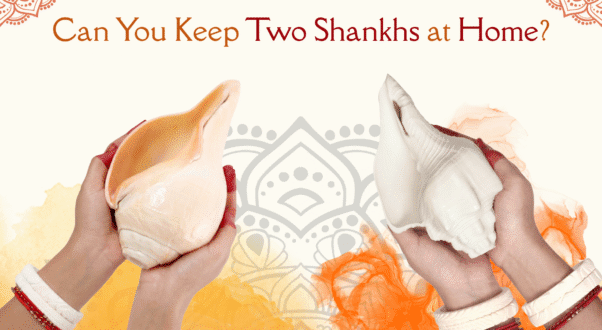
Vamavarti is a Sanskrit word that means “Vama” — left and “Varti” — turning or spiraling. Holding this shankh makes its tip pointing upwards — opening its face to the left side.
Physical Features
It generally has an anti-clockwise spiral, which is commonly found in the Indian sub-continent. Vamavarti shankh is white or off-white in colour. Some even have faint brownish lines or patches.
Cultural and Religious Significance
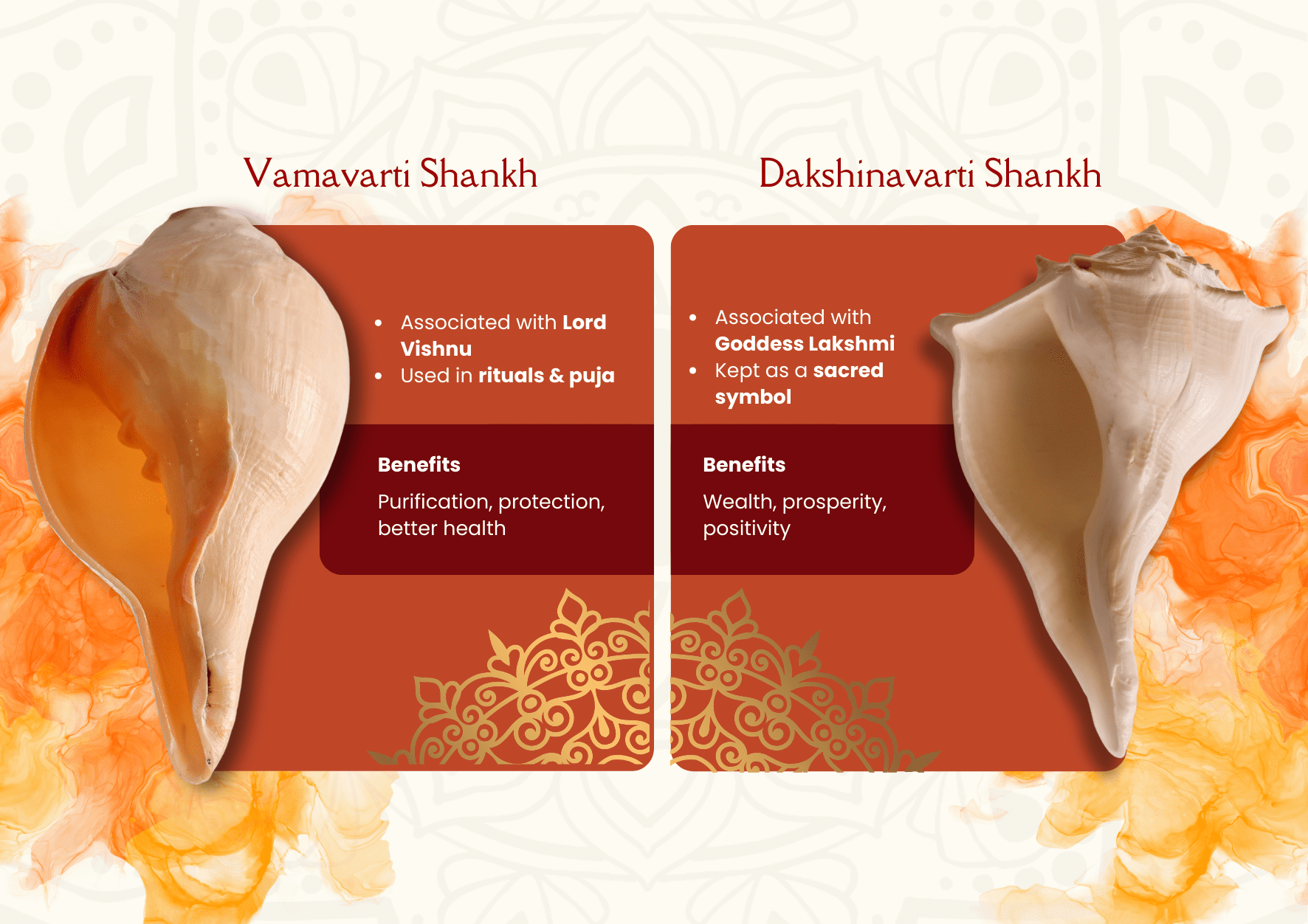
This specific shankh is closely associated with Lord Vishnu, depicted holding it in one hand. The shankh is widely used in daily puja, worship and temple rituals. The sound produced is considered to be highly purifying and capable of cleansing the environment of unwanted energies.
Vamavarti Shankh Benefits
Purification of Space: Blowing a Vamavarti shankh during prayers or ceremonies is believed to remove negative vibrations and bring peace.
Health and Wellness: Blowing the shankh helps in improving lung strength, clearing respiratory passages and strengthening vocal cords.
Sacred Water Storage: Water stored in the Vamavarti shankh is considered pure and spiritually charged. It’s often sprinkled around the home after puja for positive vibes and blessings.
Protective Energy: Placing this shankh in the puja room protects from the evil eye and negative vibes around.
What is a Dakshinavarti Shankh?
The Dakshinavarti shankh is rare and sought after. Its name stands — “Dakshina” means right, and “Varti” means turning. It has its tip pointing upward, opening its face on the right side.
Physical Features
Its spiral design is clockwise — opposite to the Vamavarti shankh. The shankh is rare, and this is what makes it valuable. It naturally occurs in cream or milky white colour with a smoother texture.
Cultural and Religious Significance
This shankh is associated with Goddess Lakshmi, the deity of wealth and prosperity. Dakshinavarti shankh is not blown during rituals but kept as a sacred symbol of abundance. It’s placed in homes in the puja room, believed to invite prosperity.
Dakshinavarti Shankh Benefits
Attracting Prosperity: It is believed to bring prosperity, success and wealth.
Inviting Auspicious Energy: This shankh attracts blessings and creates harmonious energy.
Rarity and Prestige: Because of its scarcity, it is often passed down through generations as a precious family item.
Spiritual Positivity: It promotes mental peace and brings positivity to the atmosphere in the house.
दक्षिणावर्ती शंख का मुख किस दिशा में होना चाहिए?
दक्षिणावर्ती शंख को पूजा घर में रखते समय उसका मुख उत्तर या पूर्व दिशा की ओर होना चाहिए। ऐसा माना जाता है कि उत्तर दिशा धन और समृद्धि की दिशा है, इसलिए दक्षिणावर्ती शंख को उत्तर की ओर मुख करके रखने से घर में लक्ष्मी का वास होता है। शंख को हमेशा साफ लाल कपड़े या चांदी की थाली पर रखें और नियमित रूप से गंगाजल से शुद्ध करें।
Vamavarti vs Dakshinavarti — The Main Differences
If you are looking to buy shankh online, understand that both are sacred but serve different purposes. The Vamavarti shankh benefits in purification and protection, while the Dakshinavarti shankh symbolises wealth, luck and prosperity.
The Final Verdict
Both the Vamavarti and Dakshinavarti shankh depict their symbolism and importance in Indian tradition. One offers protection and purification; another invites wealth and prosperity. If you want to buy shankh online, firstly understand the difference and then choose the right shankh to bring wellness, luck and success.
FAQs
Which shankh is good for the home?
For regular worship and purification, the Vamavarti shankh is ideal. For attracting wealth and prosperity, the Dakshinavarti shankh is considered the best.
Can I blow a Dakshinavarti shankh?
Traditionally, the Dakshinavarti shankh is not blown. It is kept in the home as a sacred object to invite abundance and blessings.
What is the difference between Dakshinavarti and Vamavarti shankh?
Dakshinavarti shankh spirals to the right and is linked with prosperity and Goddess Lakshmi. Vamavarti shankh spirals to the left and is used in daily rituals and temple practices.
दक्षिणावर्ती शंख का मुख किस दिशा में होना चाहिए
? दक्षिणावर्ती शंख का मुख उत्तर या पूर्व दिशा में रखना शुभ माना जाता है। उत्तर दिशा धन और लक्ष्मी की दिशा है।
दक्षिणावर्ती शंख में क्या भरकर रखना चाहिए?
दक्षिणावर्ती शंख में गंगाजल या शुद्ध जल भरकर रखा जाता है। इसे नियमित रूप से बदलते रहें और पूजा स्थान पर साफ कपड़े पर रखें।
Which is more rare — Vamavarti or Dakshinavarti shankh?
Dakshinavarti shankh is far more rare than Vamavarti. It is found naturally in clockwise spiral form which occurs very infrequently in nature, making it highly valuable and auspicious.
Can Women Blow the Conch? Breaking the Age-Old Belief System
How Is a Shankh Formed Under the Sea? Real Science Behind the Sacred Shell
Can You Keep Two Shanks at Home? Vastu Rules Explained