
Introduction
Most kids have seen Shankh blowing practice at home, yet don’t really question much about it. As many see it used during home puja and prayers. Kids usually watch it or even try once, but most of the time they fail, as it doesn’t work. May look for a way to laugh, enjoy, and leave it. But recently, many parents are encouraging their little ones to blow up the Shankh, as they have started thinking a bit more after knowing the conscious health benefits. Just a simple thought, can kids actually do this regularly? And if they can, does it really help in any way? Maybe this practice looks like a small thing to be followed, but it has deeper meanings to build kids stronger and more positive. Let’s catch up in the blog on what a Shankh practice for kids can bring to wellness from mind to body.
WHAT IS SHANKH PRACTICE?
Commonly, blowing off the conch shell is to create a deep sound, but it’s not the whole idea. People usually try it randomly, by blowing it and hoping some melodious sound will come out. That’s not possible if you are new to Shankh blowing, as it’s not a straightforward idea that looks simpler. It needs a certain technique and a way to hold it, as the angle matters a bit to push air inside the conch shell. And when it’s about kids practicing it, then they won’t get it immediately, which is okay. Sometimes they get a small sound by accident. Then they try to repeat it and can’t. That’s pretty common. If you want to learn the right technique, check out our Shankhnaad Workshop.
HEALTH BENEFITS OF SHANKH PRACTICE FOR KIDS
Breathing is the key when children try to blow a Shankh, mostly ending up taking a deeper breath than usual. This isn’t intentional, yet it happens. On the way to blow the Shankh, they release it faster than it needs to be, trying to be slow, but mostly do faster as they aren’t able to control it longer. Over time, this kind of breathing can help strengthen the lungs a little. It’s not some dramatic change. You won’t notice it in a day or two. But slowly, it builds. Focus is another part of it. You can’t really do this while thinking about ten other things. It just won’t work. So even if it’s for a short time, the child has to stay present. There’s also some support for breathing health in general. The airflow, the pressure, all of it kind of keeps the system active. But this shouldn’t be taken as treatment. It’s just a supportive habit, that’s it. The sound itself has a certain effect too. It’s deep, steady, not sharp or distracting. Some kids feel calmer after doing it. Not all, but many do. And then there’s discipline, though in a very light way. Doing something daily, even for a minute or two, builds a kind of rhythm.
MENTAL AND EMOTIONAL BENEFITS
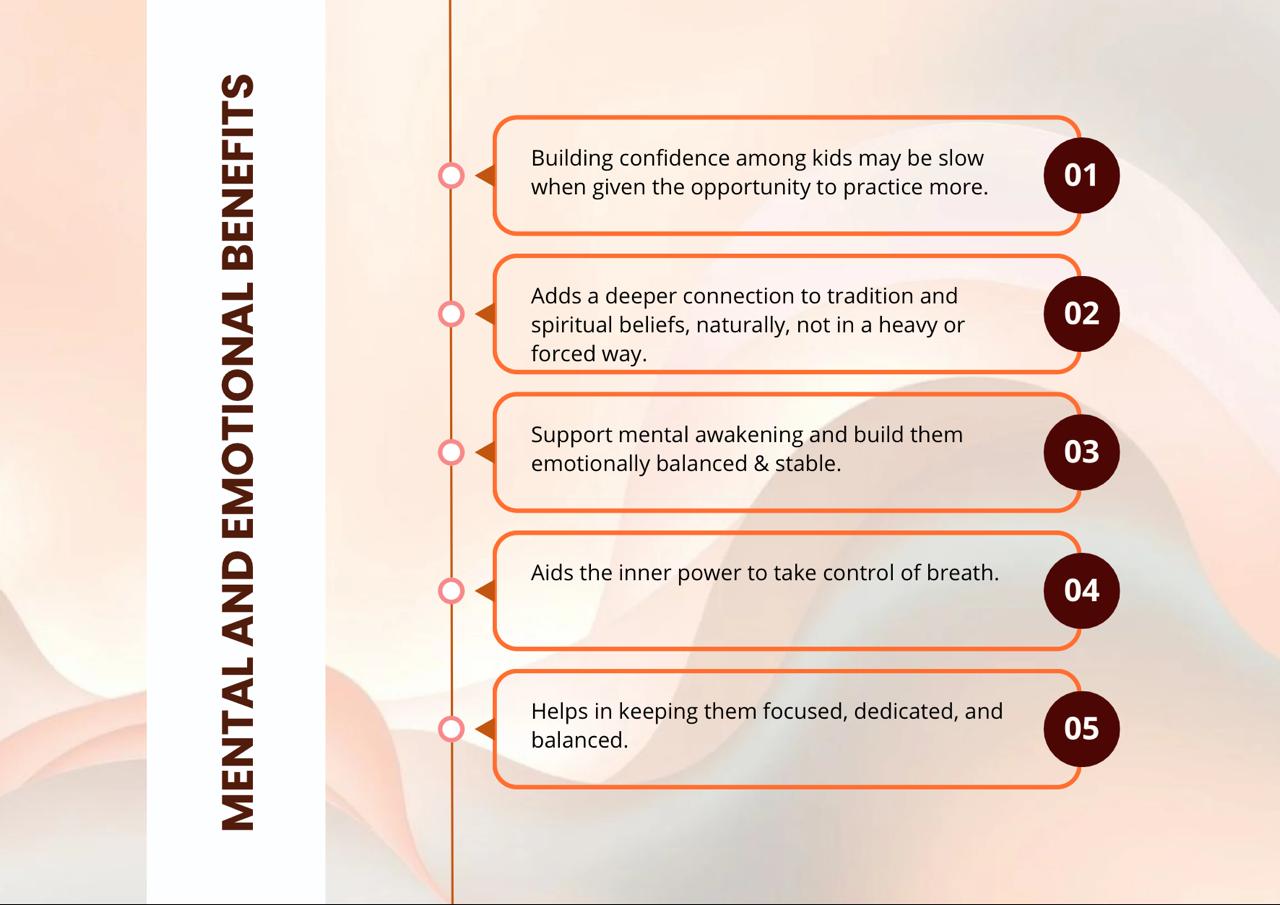
Shankh blowing practice gives obvious benefits to kids as well if done and practiced in the right way. The mental and emotional advantages of Shankh blowing are;
- Building confidence among kids may be slow when given the opportunity to practice more.
- Adds a deeper connection to tradition and spiritual beliefs, naturally, not in a heavy or forced way.
- Support mental awakening and build them emotionally balanced & stable.
- Aids the inner power to take control of breath.
- Helps in keeping them focused, dedicated, and balanced.
WHEN CAN KIDS START SHANKH PRACTICE?
There’s no fixed age, but around five or six works for most children. Before that, it can get frustrating. They either blow too hard or give up too quickly. Breath control isn’t really there yet. Even after starting, it’s not a smooth progress. Some days it works, some days it doesn’t. That’s normal. Honestly, it’s better not to correct too much. Let them figure it out in their own way. To get them started the right way, you can explore our Blowing Shankh collection suitable for beginners.
SAFETY TIPS FOR SHANKH PRACTICE
A few simple things make a difference here.
First, no forcing. Kids tend to push too hard when they don’t hear a sound. That can make them feel slightly dizzy. It shouldn’t reach that point.
Second, keep it short. A few tries are enough in the beginning. No need to turn it into a long routine.
Cleaning the Shankh is important too. It’s easy to ignore, but it shouldn’t be, especially if more than one person is using it.
Supervision helps, at least early on. Just to guide them a bit and make sure they’re not overdoing anything.
And if the child is unwell, cold, cough, breathing issue just skip it. It can wait.
COMMON CHALLENGES AND HOW TO HANDLE THEM
Most kids don’t get a proper sound in the beginning. That’s expected. No sound, broken sound, stopping midway… all part of it. Correcting them again and again doesn’t really help. It usually makes them more conscious. Encouragement works better. Just letting them try. Some kids lose interest quickly. That happens too. Keeping it short helps. Making it optional helps even more. Sometimes they come back to it on their own. If they feel dizzy, stop immediately. Let them sit, relax, and leave it for later.
HOW TO MAKE IT A DAILY HABIT?
The easiest way is to attach it to something already happening daily, like prayer time. That way, it doesn’t feel like an extra thing to do. But it shouldn’t feel forced. That part matters. The moment it becomes a “have to,” interest drops. Keeping it light works better. Also, appreciating the effort, not just the result, makes a difference. Kids respond to that. Treat the shankh as a simple fitness tool — much like a daily gym or yoga habit and include it in your routine along with your daily prayer, using it regularly to build breath control, strength, and consistency over time.
THE FINAL THOUGHT
Shankh practice is simple. Almost too simple, which is probably why people don’t think much about it. But within that, there’s breathing, focus, a bit of patience. It all happens naturally, without needing to explain much. The benefits don’t show up instantly. They build slowly. A little better breathing here, a bit more focus there. Nothing dramatic. But still useful. At the same time, children gain confidence and feel connected to something they’ve seen around them for years. Just keep it balanced. No pressure. No strict rules. That’s what makes it stay. To know more about शंख बजाने के फायदे, read our detailed Hindi blog.
FAQs
Is Shankh practice safe for children?
Yes, as long as it’s done gently and with basic supervision. No forcing.
At what age can kids start blowing a Shankh?
Around five or six, depending on the child.
Can Shankh practice improve a child’s breathing?
It can help build better breathing habits over time.
How long should kids practice daily?
A few minutes is enough. No need to extend it too much.
Should children practice the Shankh if they are unwell?
No, better to wait until they’re fine, especially if there are breathing issues.
Also Read:
Can Women Blow the Conch? Breaking the Age-Old Belief System
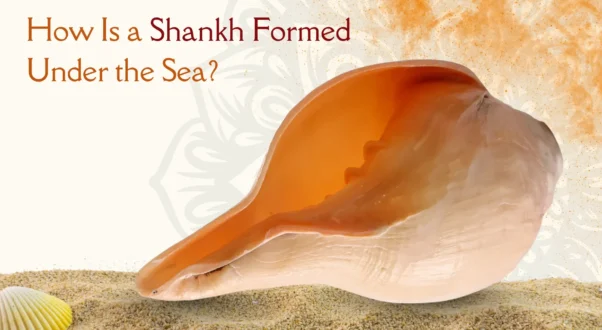
How Is a Shankh Formed Under the Sea? Real Science Behind the Sacred Shell

Can You Keep Two Shanks at Home? Vastu Rules Explained