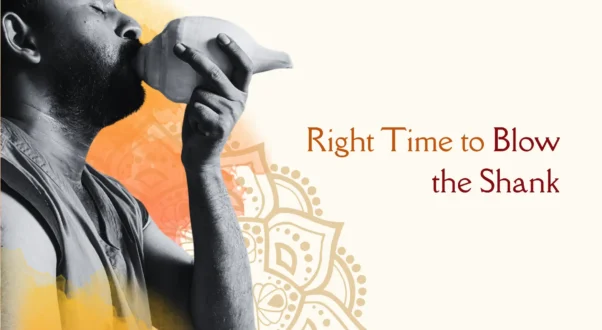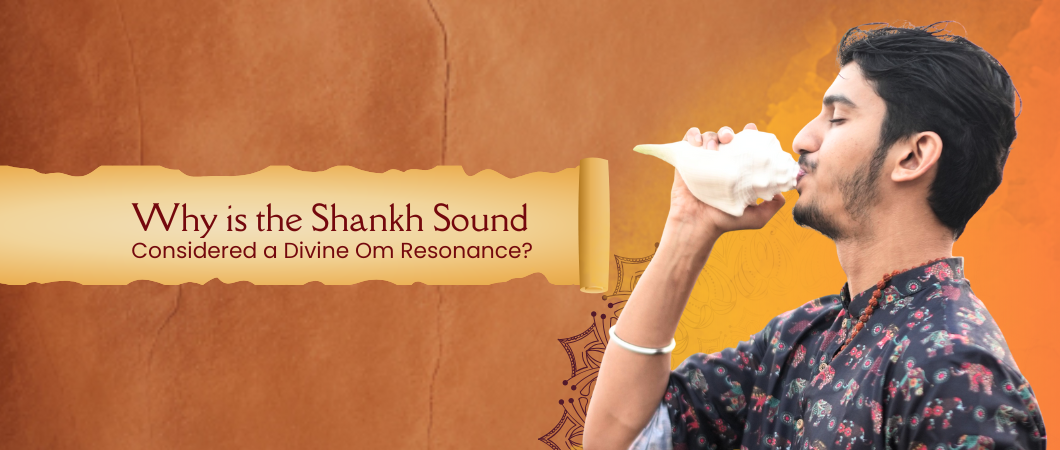

The Shankh is one of the most sacred symbols associated with Indian spiritual tradition. Its deep, resonant sound is recognised as powerful and purifying. For ages, its sound has been associated with the cosmic sound of space—“Om”—and believed to be the first vibrations of creation.
From daily temple rituals to home puja or special ceremonies elsewhere in ancient scriptures, the Shankh holds a special place of honour. Now the question comes—what makes the Shankh sound so divine? Does it really influence the mind, energy and spiritual state? To understand this, let’s scroll down and explore the holistic wellness and ancient wisdom behind the sacred conch.
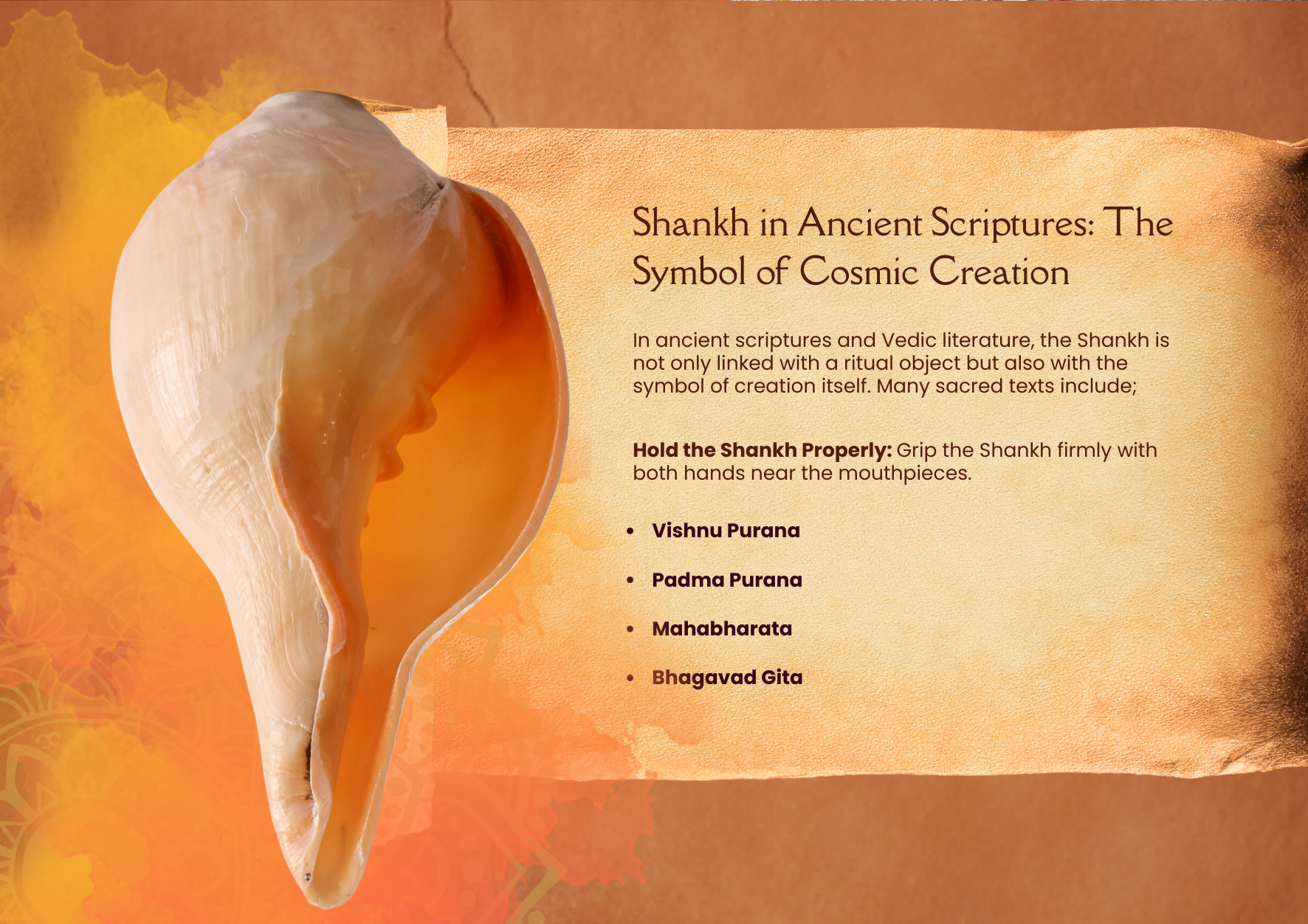
Shankh in Ancient Scriptures: The Symbol of Cosmic Creation
In ancient scriptures and Vedic literature, the Shankh is not only linked with a ritual object but also with the symbol of creation itself. Many sacred texts include;
- Vishnu Purana
- Padma Purana
- Mahabharata
- Bhagavad Gita
Says that the Shankh has its divine origins—like Lord Vishnu carrying Panchajanya (the holy conch shell) —and is described as the symbol of power, Om vibrations, and purifying energies. When blown, it represents the moment creation awakened—the cosmic hum that initiated everything.
Ancient seers believe that the spiral structure of the conch shell is embodied in the formation of galaxies and the infinite universe, as well as in the flow of prana, which is present in every living species. The sound of the Shankh is associated with calmness and awakening.
The Science Behind Shankh Sound and Om Frequency
Despite its spiritual recognition as a sacred instrument, science also offers fascinating insights and benefits. Studies show that blowing the Shankh produces frequencies equal to the vibrational structure of Om chanting.
The Natural Frequency of Shankh Matches Meditative States
That depends on the conch shell’s size and its curve. The Shankh emits sound which is considered to be harmonic and relaxing, as a range associated with;
- Alpha brainwaves (relaxation, calmness)
- Theta brainwaves (deep meditation)
- Parasympathetic activation (healing state)
Harmonic Layers Mirror the “A–U–M” Pattern of Om
The sound of Om is made of three vibrations:
- A (originating in the lower abdomen)
- U (rolling upward through the chest)
- M (ending in nasal vibration at the head)
When the Shankh is blown:
- The first burst resembles A
- The deep stabilised vibration corresponds to U
Spiral Geometry Enhances Sacred Resonance
There is a close resemblance of the Shankh’s formation with the golden ratio—it’s seen in;
- galaxies
- hurricanes
- DNA spiral
- nautilus shells
- human cochlea
How the Shankh Sound Affects the Human Body and Mind
Although the Shankh sound is associated with spiritual awakening, it also has a genuine physiological and psychological impact on the body & mind.
Activates the Vagus Nerve and Reduces Stress
The deep sound of the Shankh actually stimulates the vagus nerve. It’s the major nerve responsible for the calmness of the body and mind. This causes;
- reduced anxiety
- slower heart rate
- relaxed muscles
- improved digestion
- emotional balance
Strengthens the Respiratory System
Shankh blowing practice involves a strong, controlled inhale and exhale. This helps;
- expand the lungs
- enhance oxygen flow
- strengthen diaphragm muscles
- clear sinuses
- reduce snoring tendencies
Cleanses Negative Energy and Enhances Aura
For ages, the Shankh sound has been linked to clear negativity in the environment. It is believed to;
- dispel stagnation
- enhance aura
- remove lower vibrations
- enhance mental clarity
- purify a home or temple environment
Supports Chakra Alignment
The vibration particularly influences:
- Throat Chakra (Vishuddha); enhances communication and truth
- Heart Chakra (Anahata): stabilises emotions
- Third Eye Chakra (Ajna): sharpens intuition
Why the Shankh Is Seen as a Divine Purifier
Removes environmental negativity
From daily puja rituals in the home or temples, the blowing of the Shankh breaks the heaviness of the atmosphere. It helps reset and restore the spiritual energies and vibrations within the environment.
Creates a protective energetic shield
Traditionally, the Shankh sound is believed to ward off:
- negative thoughts
- harmful energies
- emotional disturbances
- vibrations of fear or conflict
Elevates consciousness
Blowing the conch shell helps awaken and heal. It elevates the mind from negativity and noise to a peaceful, meditative and calm state.
Daily Practices to Experience the Om Resonance of Shankh
Even simple, regular use of the Shankh can bring powerful changes.
Blow the Shankh Twice a Day
Morning and evening are ideal times to:
- freshen the mind
- clear emotional fatigue
- energise the space
- deepen breath control
Use the Shankh Sound in Meditation
The resonance can be used:
- before starting meditation
- during pranayama
- in sound healing
- for aura cleansing
Keep It in Your Puja Space
Even without blowing it, the Shankh radiates symbolic purity and upliftment because it embodies sacred geometry.
Conclusion
The Shankh is one of the most powerful symbols of spirituality and divinity that occurs naturally. It’s not only for the purest of traditional and sacred worship practices, but also for mind and body health. From its unique cosmic resonance of Om to its high-energy frequencies, modern science now supports the practice of Shankh blowing to heal the body, relax the mind, and elevate mindful consciousness.
From daily temples to home-puja rituals, meditational importance and deep healing, the conch shell becomes a medium that connects to the cosmic harmony of the universe. This is why the shankh remains an eternal symbol of purity, divinity, and universal harmony.
FAQs
1. Why is the shankh sound compared to Om?
Because the shankh naturally produces harmonic vibrations that mirror the three parts of Om—A, U, and M. The structure of the conch amplifies these frequencies, creating a resonance identical to Om chanting.
2. Can people who cannot blow the shankh still benefit from it?
Yes. Listening to recorded shankh sounds during meditation or prayer can still help calm the nervous system, purify the aura, and bring mental peace.
3. Which type of shankh is best for spiritual use?
The right-handed shankh (Dakshinavarti) is associated with prosperity and divine blessings, while the left-handed shankh (Vamavarti) is primarily used in rituals and purification practices. Both carry spiritual significance.
Can Women Blow the Conch? Breaking the Age-Old Belief System
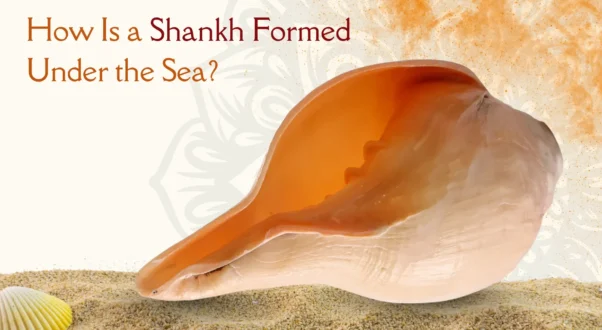
How Is a Shankh Formed Under the Sea? Real Science Behind the Sacred Shell
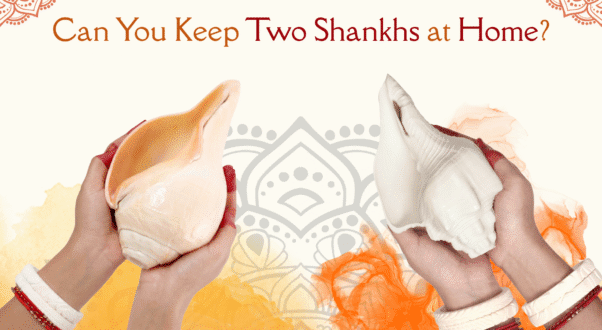
Can You Keep Two Shanks at Home? Vastu Rules Explained