
In Indian homes, puja rooms are more than a special space to perform daily prayers. It’s in fact the heart of the home’s spiritual energy. Among the sacred deities and objects, the placement of the Natural shankh or conch shell holds a special place. Whether it’s Vishnu shankh or the rare and auspicious Dakshinavarti shankh, it’s all believed to attract blessings, positivity, and divine energies at home.
If you are in a position, start by placing it correctly. Are you wondering how to keep a shankh in the pooja room? No worries—finally, you have landed on the page that will guide you on the way to keep shankh that attracts maximum benefits.
Understanding the Spiritual Importance of the shankh
Typically, the conch shell is mentioned in ancient scriptures, such as Vishnu Purana and Mahabharata, that symbolise purity, auspiciousness and victory. In Hindu mythologies and iconography, Lond Vishu is depicted holding the shankhh in one of his hands that destroys negative energies.
Vishnu shankh:
It refers to the left-spiral conch shell; commonly used in temples—blowing during aartis and puja rituals. It’s considered to bring peace, protection and harmony into the home.
Dakshinavarti shankh:
It’s a rare right-spiral conch shell that is linked with the deity Goddess Lakshmi. This Natural shankh is believed to attract wealth, prosperity and good fortune. It’s not blown like Vishnu shankh yet worshipped.
Choosing Between Natural and Artificial shankh
When you want a shankh to be placed in your home puja space, look for natural ones, not the synthetic replica. For this search, to buy shankh Online. The one that’s real will have roughness in texture, quite heavy and uneven in surface. The artificial or repaired shankh would be lighter in weight, smoother texture and even in surface. Go for the reputable shankh or spiritual stores, but don’t skip checking for authenticity.
How to Keep a shankh in the Pooja Room
Placement of the shankh isn’t an object or about aesthetics-but has deep traditional and mythological value. Natural shankh is depicted as a sacred place in Vastu Shastra and Hindu rituals.
For a Vishnu shankh:
- Place it on the right -hand side of your deity idol (from the devotee’s perspective yet ritual varies within individuals).
- Keep the open side (mouth) facing upward devotee or and tail facing towards the deity.
- It should be placed on a clean, decorative cloth or stand, separate from other pooja items.
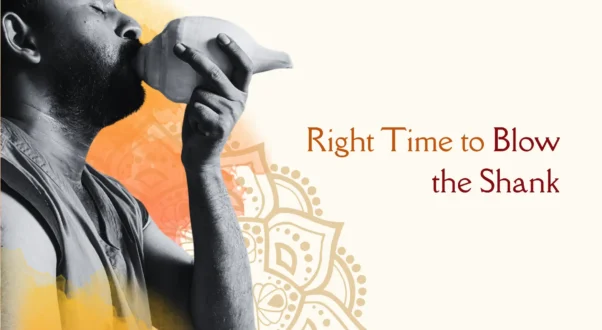
- Blow the Vishnu shankh before morning and evening aarti to invite divine blessings.
For a Dakshinavarti shankh:
- Place it on the left-hand side of the deity (from the devotee’s perspective yet ritual varies within individuals).
- Keep the opening facing or mouth towards deity and the spiral pointing (that’s tail) towards you.
- It should be kept on a silver or brass stand for maximum auspiciousness.
- Offer it flowers, incense, and sandalwood paste daily, but do not blow it – this shankh is meant for worship, not sound.
Ritual Preparations Before Placing the shankh
Before you proceed to place the shankh in your puja room, ensure-
- To purify the shankh, wash it with clean water and rinse it. Use Ganga jal (holy Ganga water) and raw milk.
- Chant Mantras-do recite the mantra, Om shankhhaya Namah or the Vishnu mantra while holding it.
- Apply Tilak- Use pure sandalwood paste tilak and turmeric on the shankh before placing it.
Notably, these steps help energise the shankh and align it with the spiritual vibrations of your home temple.

Combining Vishnu and Dakshinavarti shankh in the Same Temple
Keeping both types of Natural shankh in the same puja room works great to balance blessings, peace and prosperity. If you do the same, follow this-
- Keep the Vishnu shankh to the right of the deity and the Dakshinavarti shankh to the left. However both can be kept on the right side as well.
- Use the Vishnu shankh for ritual blowing and the Dakshinavarti shankh for silent worship.
- Avoid placing them directly next to each other – keep a small space or decorative divider between them.
Daily Care and Respect for the shankh
In Indian rituals, keeping the shankh is more than a decorative object. It’s a sacred item that is treated as divine. This needs daily cleaning as follows.
- Clean Regularly: Wipe the shankh with a soft, dry cloth daily. Avoid using harsh chemicals.
- No Foot Contact: Never let the shankh touch the ground or be handled carelessly.
- Use Separate Water: If using the Vishnu shankh to pour water on a deity (abhishek), use a different shankh for each deity to maintain ritual purity.
Vastu and Energy Flow Considerations
Vastu Shastra recommends the conch shell—shankhh to be placed in puja rooms, in the northeast corner of the house. It’s good at amplifying energies and positive vibrations.
- The Vishnu shankh should face east or north when placed.
- The Dakshinavarti shankh should face inward towards the deity, never towards the main door, as this is said to keep wealth within the household.
Buying shankh Online: What to Look For
When you buy a shankh online, check:
- Check for seller authenticity and credibility.
- Clear images showing the spiral direction (left for Vishnu shankh, right for Dakshinavarti shankh).
- Mention of “natural shankh” or “original conch shell” in the description.
- Return and replacement policies in case the product does not match its description.
- Buying online can be convenient, but authenticity should be your top priority.
The Final Verdict
Placement of Vishnu or Dakshinavarti shankh in the home puja room not only enhances spiritual power but also attracts harmony and prosperity. The Natural shankh, when placed correctly and maintained with respect, brings wealth, positivity and luck. The conch shell is more than a sacred object; it is a constant source of blessings for home and family.
FAQs
1. Can I keep both Vishnu shankh and Dakshinavarti shankh in the same pooja room?
Yes, you can keep both. Place the Vishnu shankh to the right of the deity and the Dakshinavarti shankh to the right yet inside facing and blowing outside, ensuring they are slightly apart.
2. How often should I clean my shankh?
Wipe your shankh daily with a dry cloth and purify it with water and Ganga jal weekly, or during special poojas. Washing before blowing and afterwards is something that can not be missed.
3. Is it okay to buy a shankh online?
Yes, as long as you ensure it is a natural shankhh from a reputable seller, with clear images and authenticity details provided.

Can Women Blow the Conch? Breaking the Age-Old Belief System
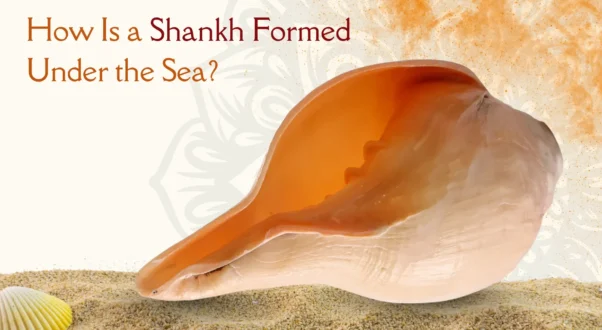
How Is a Shankh Formed Under the Sea? Real Science Behind the Sacred Shell
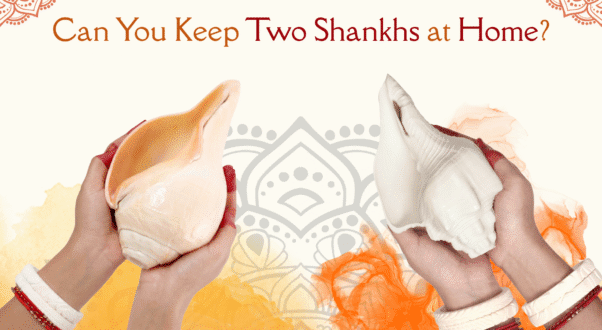
Can You Keep Two Shanks at Home? Vastu Rules Explained