
People nowadays often see traditional and spiritual rituals as mere performances, without understanding their meaning or the respect they deserve. Apart from that, many even take sacred objects like conch shells just as instruments or tools to be used in ceremonies, festivals, or religious obligations. Yet it’s one of the major misunderstood concepts.
The Shankh, in reality, represents a far deeper meaning despite being used in daily puja rituals in homes and temples. It is not merely a spiritual object but connects the mind to inner balance while attracting positivity. Incorporating Shankh in daily life goes beyond religious practice-it’s actually a deeper understanding of its symbolism and relevance.
Let’s explore more of the philosophy behind the conch shell, from its transformative power to its presence in everyday living.
Understanding the Shankh Beyond Rituals
The Shankh naturally originates in the ocean and is one of the powerful & pure elements. The spiral formation of the conch shell symbolizes the continuity of life with its diversified expansion and the flow of energy within. Ancient times aren’t merely known for their uses and religious beliefs; they’re also associated with stronger effects on the mind, environment, and body.
According to Hindu mythological beliefs, the conch shell is associated with Lord Vishnu, the preserver of life. Yet it doesn’t have limited uses but extends its purpose to maintain balance and order in the universe. The presence of the Shankh symbolizes protection, purity, awareness, and righteous living.
Shankh as a Symbol of Conscious Living
The conch shell in daily life connects mind and body with mindfulness and motivation. Shank blowing practice is recognized as deeper, expansive, and grounding, which encourages calmness, positivity, and purity. Traditionally believed to be the cosmic sound of space-OM, which emerges as creation. When now physically blown, the Shankh reminds us to slow down, be the observer, and act with intention at all times.
Shankh in daily life brings mental clarity and purity to action. It’s just more than a sacred object, and the sound produced by it gives deeper control over breath and mind, which acts as a path to respond thoughtfully rather than impulsively.
The Role of Shankh in Creating a Balanced Home
People keep a Shankh at home, mostly in a sacred puja place or room, and use it occasionally during religious ceremonies or prayers. But when you embrace Shankh in daily life as a lifestyle element, the conch shell symbolises balance throughout the home and family. It is believed to bring prosperity, peace, and positivity. Shankh blowing practice not only creates a clean environment but also fosters calmness in the mind with improved focus and emotional stability.
Shankh and the Discipline of Daily Rhythm
The conch shell is one of the most overlooked aspects of traditional living. Ancient cultures and societies revolved around natural cycles, the alignment of sunlight and sound-the Shankh played an important role, marking time, signaling, and maintaining consistency.
Using the conch shell wasn’t only a lifestyle element but also a part of ritual performance. From encouraging awareness in daily rhythms to today’s inspiring moments of stillness, the conch shell has become inseparable.
Today, it has become a disciplined approach with many theories and beliefs, yet a perfect symbol of time and energy management, where overstimulation and constant distraction are common challenges.
Shankh as a Tool for Inner Cleansing
Today, modern wellness is focused on detoxification of the body and often overlooks the mind. Yet the philosophy behind it addresses and fulfills the gap perfectly. The conch shell sound and symbolism are believed to clear mental confusion, emotional heaviness, and stagnant energies.
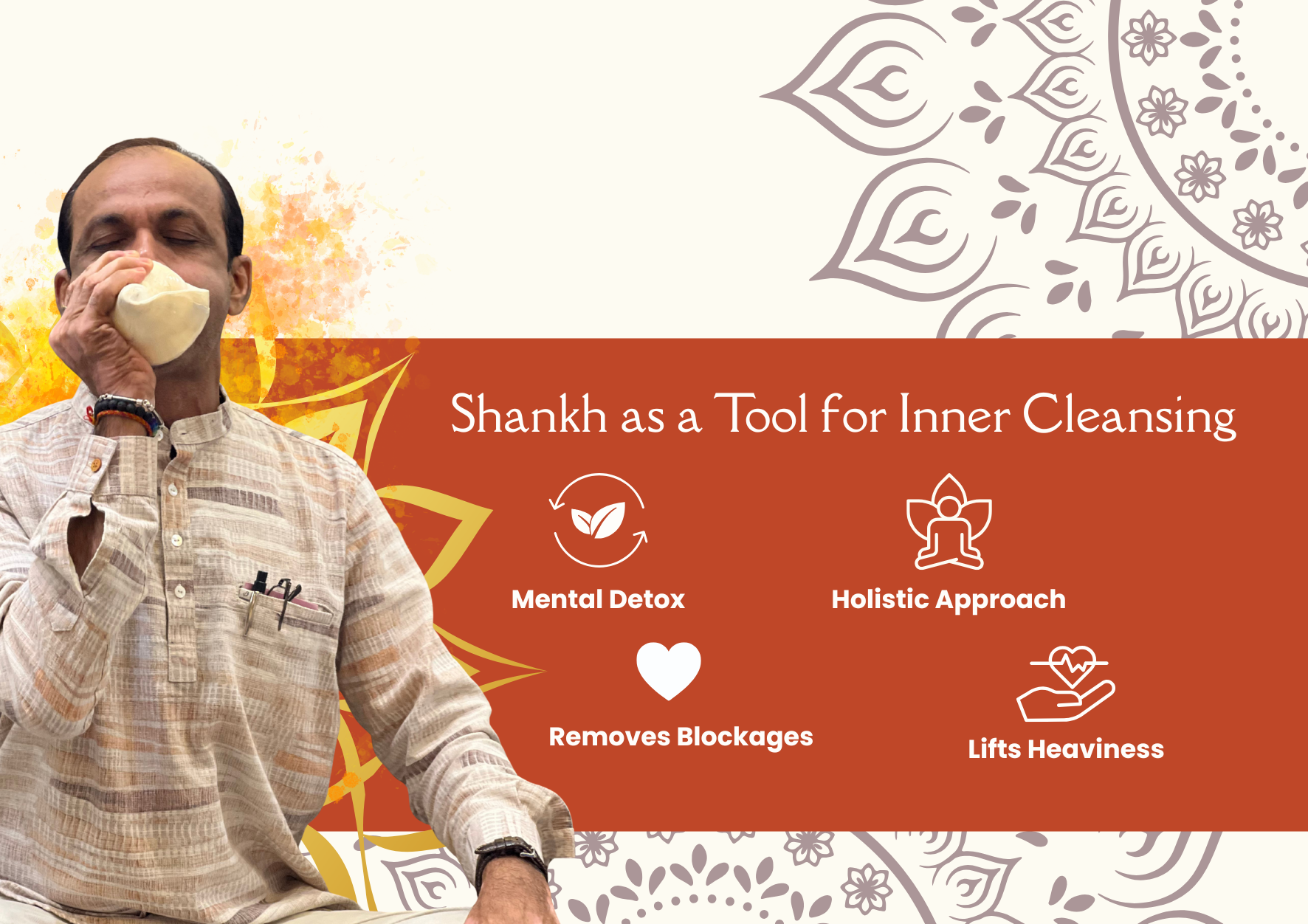
The deeper sound is linked to motivation, relaxation, and the release of mind-body stress. It is believed not only to bring calmness but also protection with a sense of safety and positivity. Practicing Shankh encourages better decision-making, improves relationships, and emotional resilience.
Living with Tradition Without Fear or Obligation
The biggest fear is the barrier to embracing the Shankh as a lifestyle, which is linked to doing things incorrectly and not following the rules precisely. The emphasis needs to be on a clear intention rather than perfection, on understanding rather than blind adherence and following.
Shankh not only supports human well-being but is also seen as a sign rather than an obligation. This makes it accessible for everyone, regardless of religious background or level of practice. Over time, the Shankh becomes a personal guide rather than a rigid rulebook.
Shankh and Modern Life: A Natural Alignment
Despite its ancient beliefs and traditional or sacred uses, the conch shell aligns with modern lifestyle and concepts like mindfulness, sustainability, and holistic wellness. Its natural origin motivates and emphasizes wellness from the inside out, from body calmness to mental clarity. Its symbolism of balance mirrors the modern pursuit of work-life harmony.
Using the conch shell in modern life doesn’t need abandoning progress, but rather a foundation to grow, support, and be valued.
Teaching Values Through Symbolism
In modern life, Shankh has become a subtle teaching tool. It symbolizes the cosmic beauty of the environment. When treated as a sacred object, it shows respect for beliefs and offers modern lessons in wellness, mindfulness, patience, discipline, and awareness.
Rather than an enforced ritual, the conch shell can be associated with stories, meaning, and values. This will foster curiosity among generations to meaningfully connect with nature and traditions.
Conclusion
The conch shell today is far more than a ritual element or a sacred object used only for worship. Its roots lie in awareness, balance, sustainability, and harmony with nature. Embracing Shankh in daily life within a modern lifestyle fosters curiosity and consciousness, leading to better decision-making, mental clarity, emotional stability, and a disciplined approach, rather than rigid rituals and rules.
FAQs
1. Do I need to perform rituals daily to benefit from keeping a Shankh at home?
No. Simply understanding its meaning and maintaining respect for it is enough. Benefits come from awareness and intention, not mandatory rituals.
2. Can the Shankh be meaningful for people who are not deeply religious?
Yes. The Shankh represents universal values such as balance, mindfulness, and harmony, making it relevant beyond religious boundaries.
3. How can I integrate the Shankh into daily life without ritual pressure?
By viewing it as a symbol of calmness and conscious living, you can let it inspire moments of reflection, discipline, and balance in everyday activities.
Can Women Blow the Conch? Breaking the Age-Old Belief System
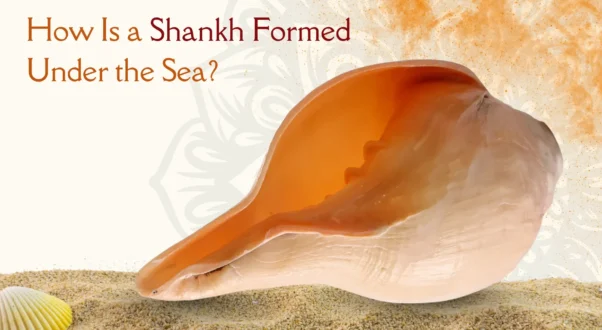
How Is a Shankh Formed Under the Sea? Real Science Behind the Sacred Shell
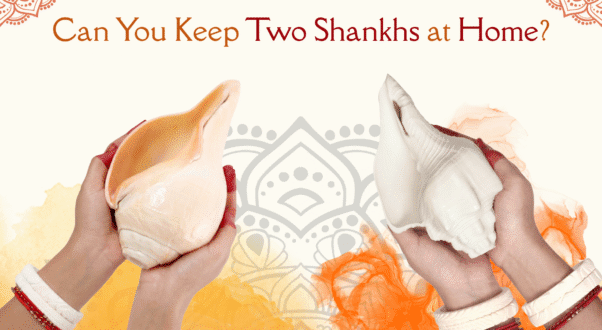
Can You Keep Two Shanks at Home? Vastu Rules Explained