
The religious output and spiritual depth connect Indian tradition with rituals to the Shankh (Conch shell). The significance of purity, prosperity and Vastu remedies is only one of the many Shankh Benefits. It’s a sacred object that resonates with divine energy and positivity into the surroundings when placed or blown. This is what makes Sea Shank beyond its revered place in Hindu culture and mythology.
Let’s dive into the blog—exploring the real science behind the formation of Natural Shankh—its origin, types and benefits.
What Is a Shankh?
Obviously, you are not new to the term, but still, a conch shell is a sea-dwelling gastropod. It belongs to the family of marine shells, although it is used for protection and mobility. Over time, it turns into a spiral structure and hardens with a layer of calcium carbonate.
It’s what we recognize as a sacred conch in temples and homes. In Sanskrit, the word Shankh is referred to as a conch that holds divine sound. It symbolizes deep, powerful resonance that is believed to be the cosmic sound of “Om”.
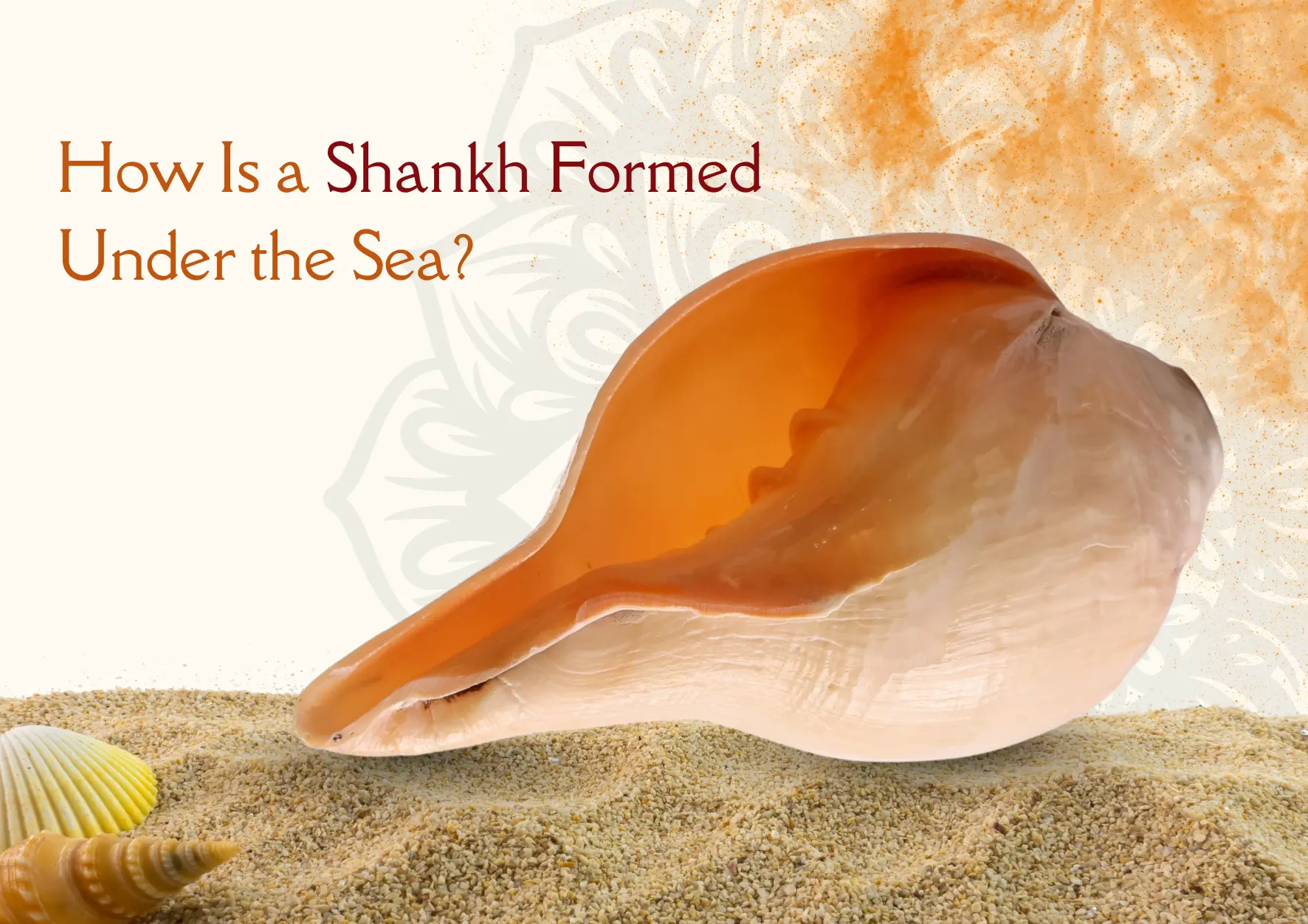
The Science: How Is a Shankh Formed Under the Sea?
Of course, Shankh isn’t man-made but occurs naturally beneath the sea surface by sea snails. It’s a continuous biological process that takes time.
Mollusc Secretions and Shell Formation
The creature that lives inside the conch and creates it, known as a mollusc, reacts with calcium carbonate. It hardens with time and forms protective layers on the mollusc’s body in a signature spiral or coiled shape.
Torsion and Spiral Growth
Natural Shankhs are of spiral shape and are formed under a process known as torsion, which is natural. It mostly leads to left-turning or right-turning spirals, due to the mollusc’s body rotating during development. This twist or spiral formation is genetically determined, which gave rise to Different Types of Shankh.
Seawater Minerals Enhance Structure
Typically, conch shells absorb minerals like magnesium and aragonite from seawater. This makes it strong and resonant in nature. The natural compounds and reactions give the shankh hardness and even a distinctive sound quality.
Different Types of Shankh Found in Nature
Scroll down and check out the Different Types of Shankh. The classification is found across the world, but in India, it is primarily connected with spiritual significance, such as

Vamavarti Shankh (Left-Turning)
This is the most common natural seashell that is left-handed. It’s mainly used for blowing during puja and sacred rituals. The vamavarti shankh is associated with lord Vishnu and produces the sacred Om sound.
Dakshinavarti Shankh (Right-Turning)
It’s the most extreme and rarest Natural Shankh with the right side spiral direction. The Dakshinvarti Shankh are highly auspicious, lucky and bring fortune because they are associated with Goddess Lakshmi; unlike the Vamavarti Shankh, it’s not blown that usually, but kept for wealth and prosperity rituals.
Gaumukhi Shankh
This is a unique shankh that’s shaped like a cow’s mouth (mukh). It’s used for ritual bathing and purification. For pouring sacred water on deities, the Gaumukhi shankh is used in temples and pujas.
Heeramani or Moti Shankh
This shankh is pearl white and smoother in texture—resembles the mother of pearl. The Shankh is rare and associated with divine blessing & purity.
Kauri Shankh
It’s smaller in size and mainly used in tantra rituals and astrological remedies, spiritual usage and benefits.
Shankh Benefits: Scientific and Spiritual Insights
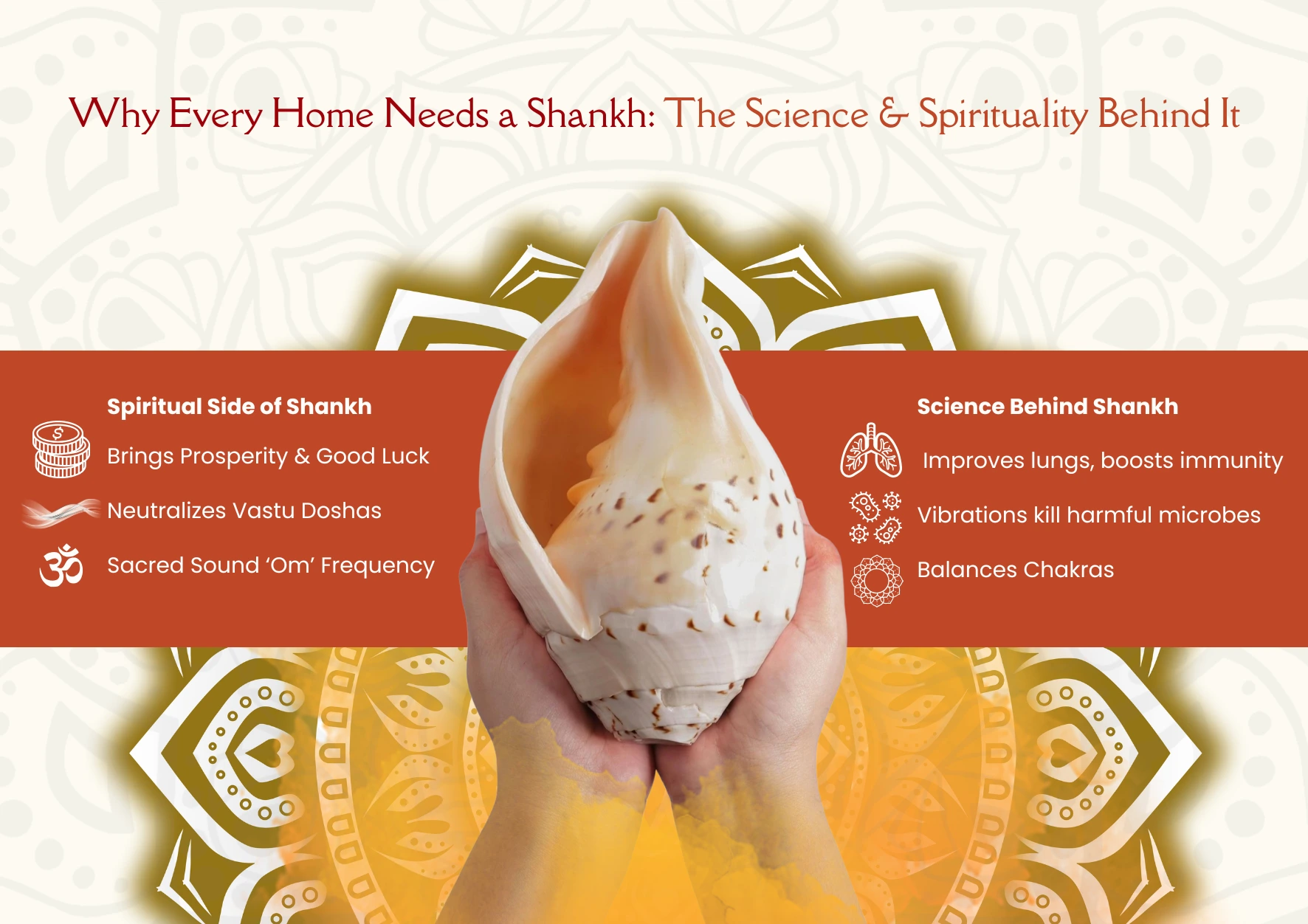
Let’s now talk about the Shank Benefits that extend beyond religious belief and touch. Studies say Shankh Sound affects deeply the body, mind and environment as-
Sound Therapy and Vibration
Shankh blowing generates low-frequency sound waves. It’s clear that it’s within the nasal passages, strengthens the lungs and stimulates the nervous system. The vibration impacts the environment and reduces harmful microbes. It thus purifies the air.
Mental and Emotional Calm
The deep sound of Om helps promote mental clarity and emotional stability. It’s aligning chakras—the Ajna and Vishuddha chakras.
Financial and Energetic Benefits
Typically, the dakshinavarti shankh is meant to attract wealth and auspiciousness to keep puja energy locked. The use and presence of the shankh neutralize Vastu doshas and uplift the surroundings.
Vastu Benefits
Shankh’s placement brings harmony and invites calmness.
How to Identify the Original Shankh
You may easily find fake artificial shankhs in the market. If you are in doubt about how to identify the Original Shankh, follow the hacks-
Check the Texture
Typically, the natural shankhs have ridges, irregularities and grainy texture.
Smell Test
Natural sea Shankh may have a mild oceanic or salty smell.
Weight and Sound
The natural conch is heavier, all because of its natural mineral composition. This gives a metallic or resonant sound.
Color
Original shankhs are off-white, beige or pearl tine but not purely white. This is all because of discoloration and signs of ageing.
The Mystery of the Shankh Sound
The precise mystical sound of the shankh is produced when it is blown. Is there a sacred belief or science behind? Typically, the shankh works like a wind instrument; thus, when air is blown, it vibrates within the spiral cavity, producing a frequency. That ranges between 100 and 300 Hz. The sound is similar to deep chanting, like Om.
The Final Verdict
Natural Shankh is a marvel of marine biology that signifies traditions. Its sacred sound and benefits make them intertwined in science and spirituality. The Different Types of Shankhs represent the beauty of nature and divine energy, holding sacred beliefs. From centuries of wisdom to mighty forces of oceans, the Sea Shankhs have deep connections.
FAQs
1. What are the different types of shankh?
The major types include:
- Vamavarti Shankh (left-spiral, used for blowing)
- Dakshinavarti Shankh (right-spiral, associated with wealth)
- Gaumukhi Shankh, Heeramani Shankh, and Kauri Shankh, each having unique shapes and uses in rituals and Vastu.
2. What are the benefits of keeping a shankh at home?
Shankhs bring spiritual energy, purify the air, improve lung health, and remove Vastu doshas. They are believed to attract wealth and peace, especially when placed correctly according to Vastu.
3. How to identify an original shankh?
Original shankhs have a natural texture, an oceanic smell, a heavier weight, and a metallic sound. Avoid perfectly white or smooth shanks, as they’re usually synthetic.
4. What causes the sound in a shankh when blown?
When you blow air into the shankh, it vibrates within its spiral cavity, creating low-frequency sound waves. These vibrations resonate with the human body’s energy system, promoting calm, clarity, and environmental purity.

Can Women Blow the Conch? Breaking the Age-Old Belief System
How Is a Shankh Formed Under the Sea? Real Science Behind the Sacred Shell
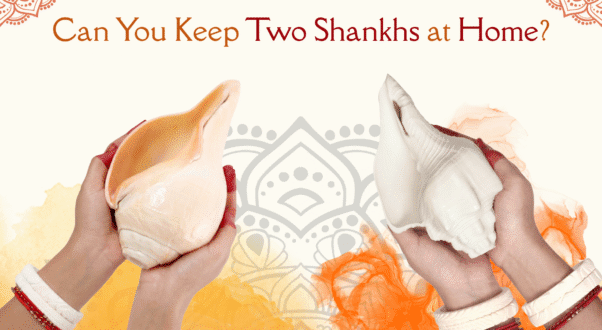
Can You Keep Two Shanks at Home? Vastu Rules Explained