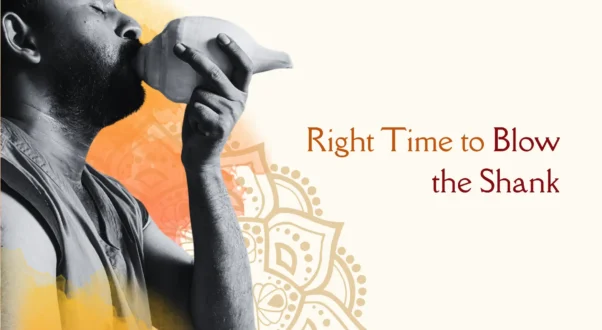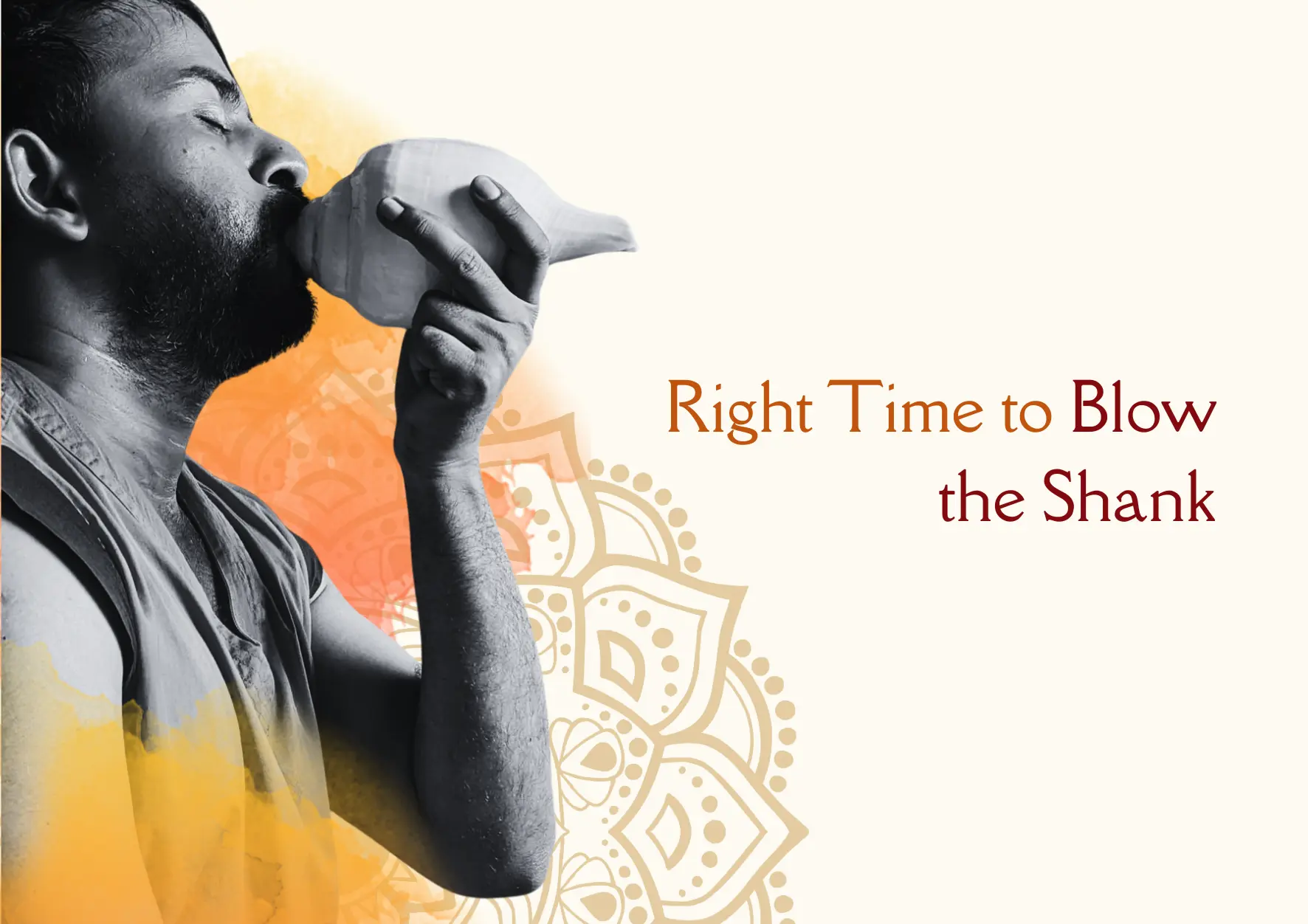

Originally, conch shells held immense power and spiritual value. It’s beyond any ritualistic instrument—symbolizes cosmic energy, divine vibrations, and positivity that connects you directly with the universe. From daily pujas to sacred Vedic rituals, Blowing Conch Shell incorporates a lot of symbolic, spiritual, and scientific benefits. Now the question comes is, is Evening Puja Time the right time to perform blowing the shank?
Let’s explore why and what timing matters according to Hindu Vedic rituals to blow the conch shell.
The Sacred Sound of the Shank
Conch shell blowing isn’t merely a symbolic act, but a process to produce a distinct and vibrating sound that directly connects to cosmic energy in the universe. The sound is similar to cosmic sound—Om, a primal vibe that emerged in the universe. It is believed that Om upholds the power to clear the negative vibrations and energy within the surroundings. It even protects evil forces from impacting and activating the higher spiritual frequency.
As many benefits of blowing the Shank—it’s mostly considered to be an integral part of morning puja rituals, or the beginning of a new event, or an auspicious end of many Hindu ceremonies.
The Different Types of Shank
There is a rectified classification of shanks that are used for Vedic and religious purposes.

Dakshinavarti Shankh (Right-Handed Shankh)
This conch shell has spirals towards the right and is considered extremely auspicious, as it is associated with Goddess Laxmi. Majorly, the dakshinavarti shank is used to be kept in sacred places and the puja room. Usually not blown.
Vamavarti Shank (Left-Handed Shankh)
This sacred shankh upholds its natural crafting of spirals to the left. These are commonly Blowing Conch Shells in puja rituals, daily aarti, and prayers. Vamavarti Shank is associated with Lord Vishnu, which brings luck and wellness.
Why Blowing the Shank After Sunset Is Considered Inauspicious
The Vedic beliefs and Hindu scriptures say to generally avoid the shank blowing in Evening Puja Time or after sunset. The reasons behind that are as follows, as linked to spiritual beliefs and ancient scientific logic.
Disruption of Natural Energies
It is commonly believed that after sunset and evening time, spiritual & cosmic energies get dormant or tamasic (either heavy or negative). Thus, blowing the shank in evening aarti or puja rituals needs to be avoided completely. As can active dominant negative energies within surroundings, which may interfere with the body’s natural rhythm of calmness and winding down at night.
Respect for Deities’ Resting Time
Deities are considered to relax and retire after the evening aarti. Just like human divine forces are said to rest after evening starts. The high-energy sound, like Om, when the shankh is blown, gets disturbed during odd times.
Scientific Angle
The comic energy vibrations produced by the conch shell impact the air pressure, oxygen flow, and the human body’s nervous system. Do energize and focus during the day, but in the evening or at night, it can stimulate the mind, which needs to be relaxed.
The Right Time to Blow the Shank
Talking about the auspicious times, the right time to blow the shankh is in the morning. It needs to be followed as a ritual within steps-
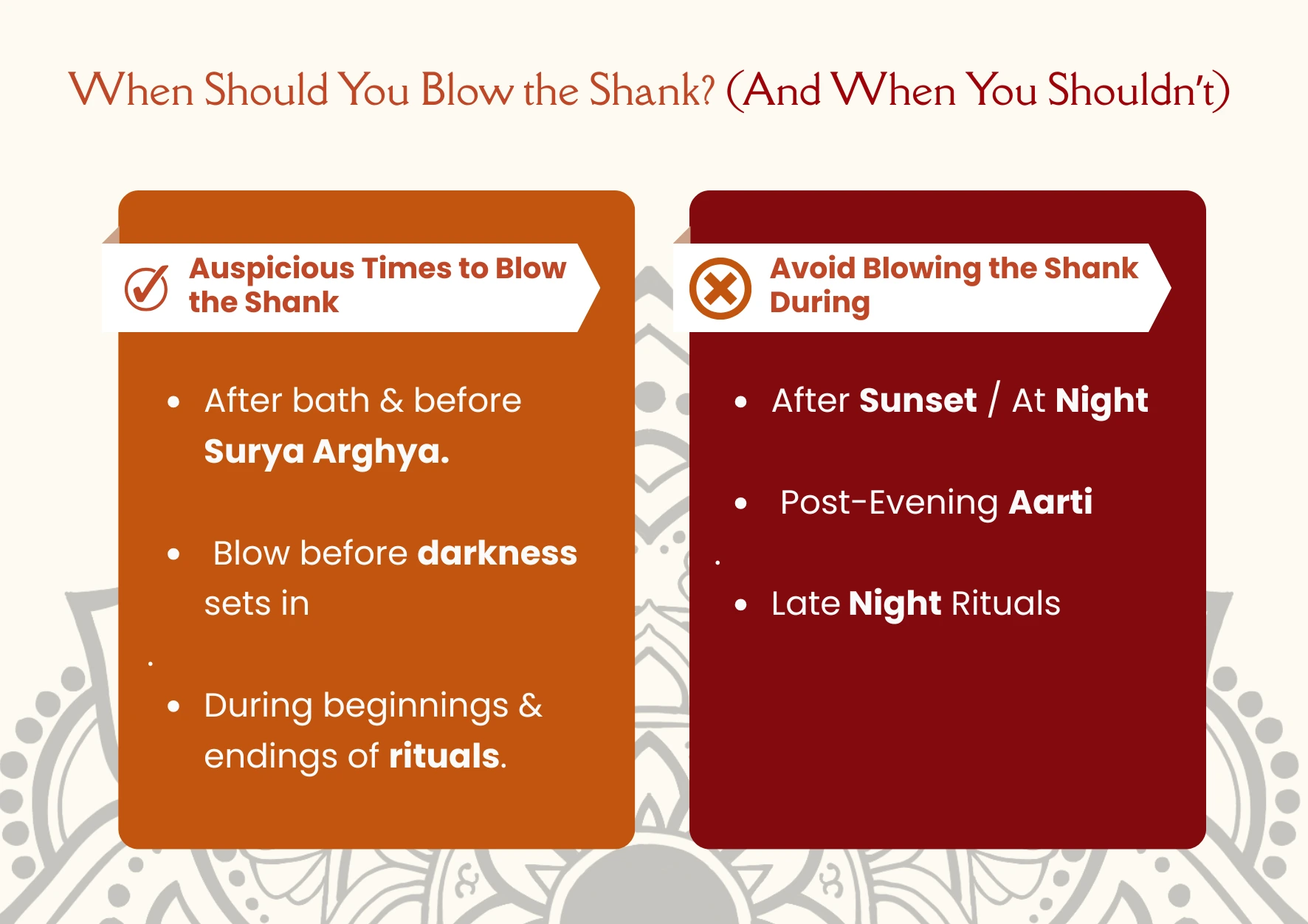
- Morning Puja—That’s right after shower and offering Surya Arghya.
- Evening Sandhya Aarti—You can blow the shankh in Evening Puja Time—before sunsets, but not when complete darkness sets in.
- During Festivals and Ceremonies—According to Vedic rituals on Shubh Muhurats, chanting of mantras and auspicious time slots for beginning or ending as per astrology. This marks the presence of divinity and sanctifies the environment.
Spiritual Benefits of Blowing the Shank
- Helps cleanse negative energy that is in the surroundings.
- Activates body chakras—third eye and crown chakras.
- Helps in invoking divine protection, positivity, and grace from deities and gods.
- Balance Vastu energies and build a cosmic connection.
- Improves wellness—physically, mentally, and emotionally during meditation and prayers.
Scientific and Health-Related Benefits
Blowing the conch shell also offers physical advantages:
- Strengthen lungs and improve breathing capacity or control
- Helps improve vocal cords—good for speakers and singers.
- Promote stimulation to the muscles and abdomen.
- Promote blood circulation, especially in the upper body.
- Acts as natural respiratory exercise.
- Lowers the risk of mucus and allergens.
Evening Puja and the Role of Silence
Sandhya puja timings or evening puja are conducted during twilight—it’s done with the use of bells, incense, mantras, aartis, and diyas. However, shank blowing is usually not a part of it. This is all because sunset holds spiritual value with calmness and rest, so chanting soft mantras or singing aartis is preferred.
The Final Verdict
You can’t deny the conch shell’s cosmic power and energies, which connect to spirituality in Hinduism. The timing, however, plays a crucial role and impacts when it comes to blowing a conch shell. Generally avoided in evening puja time and sunsets. If you want a deeper connection with the daily rituals of puja and let them merge into the natural flow of energy, blowing in the morning is traditional wisdom. It brings life, prosperity, auspiciousness, and divinity.
FAQs
1. Is it okay to blow the shank after sunset?
No, traditionally it is discouraged. Blowing the shankh after sunset is believed to interfere with resting spiritual energies and tamper with the body’s natural rhythm. It is best reserved for early morning or twilight aarti.
2. What are the benefits of blowing the conch shell?
Blowing the shankh energizes the body, strengthens the lungs, purifies the environment, and wards off negative energy. Spiritually, it invokes the presence of divine energies and is considered a purifier of space and mind.
3. Can we use any type of conch shell for puja?
No. Only natural vamavarti shanks are used for blowing during rituals. Dakshinavarti shanks are only for placement and are associated with prosperity. Always consult a knowledgeable source before purchase.
4. What is the scientific reason behind blowing the shank?
The sound vibrations from the conch shell activate air pressure, stimulate the respiratory system, and improve lung health. It acts like a natural pranayama exercise.
Can Women Blow the Conch? Breaking the Age-Old Belief System
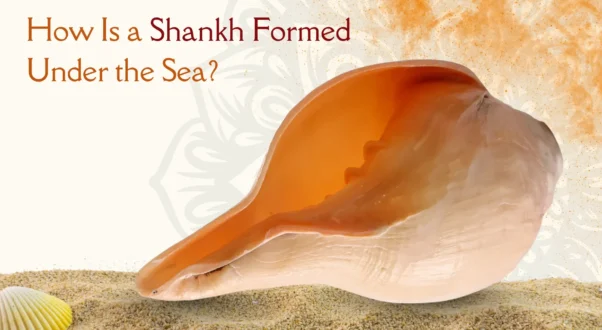
How Is a Shankh Formed Under the Sea? Real Science Behind the Sacred Shell
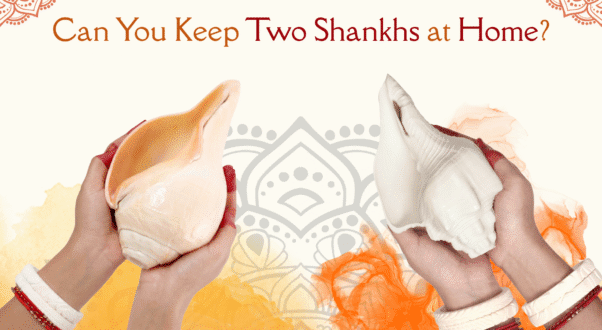
Can You Keep Two Shanks at Home? Vastu Rules Explained